


Now, Democrats are losing faith in higher ed too


Only 38 percent of Americans have "a great deal" or "quite a lot" of confidence in higher education, writes Patrick O'Donnell on The 74. Conservatives' faith has fallen sharply over the last 20 years. Now Democrats' support has nosedived, according to a Gallup/Lumina poll.
Some of the skepticism about higher education was tied to politics, he writes. Thirty percent cited concerns over the "political and cultural battle over what schools teach and how much ideology is part of lessons."
Fifty-six percent of Republicans had strong confidence in higher education in 2015, Gallup reports. By 2023, that hit 19 percent, and is up to 23 percent this year.
Sixty-one percent of Democrats reported having a “great deal” or “quite a lot” of confidence last year. This year, that fell to 50 percent.
Thirty-one percent of those polled questioned "whether the benefits of college are worth the cost," O'Donnell writes.
“Americans across the political spectrum are asking harder questions about value and affordability, and whether higher education is actually preparing people for the workforce,” said Courtney Brown of the Lumina Foundation. "Those questions aren’t going away.”

"The costs and benefits of college have come under extra scrutiny this year, as new college graduates have faced a tough job market that multiple reports have called 'grim' or a 'job market hell'," O'Donnell writes.
But Brown says the value issue has been percolating for years. College costs have been rising much faster than the Consumer Price Index.
When President Biden forgave billions of dollars in student loans, it encouraged Americans to associate college-going with debt rather than prosperity.
Public schools have also lost support over time, writes O'Donnell. Seventy-three percent were "dissatisfied with public schools" in a 2025 Gallup poll. In the new poll, only 27 percent of people expressed “a great deal” or “quite a lot” of confidence in public schools. That's fallen from a peak of 41 percent in 2004 and during the pandemic in 2020.

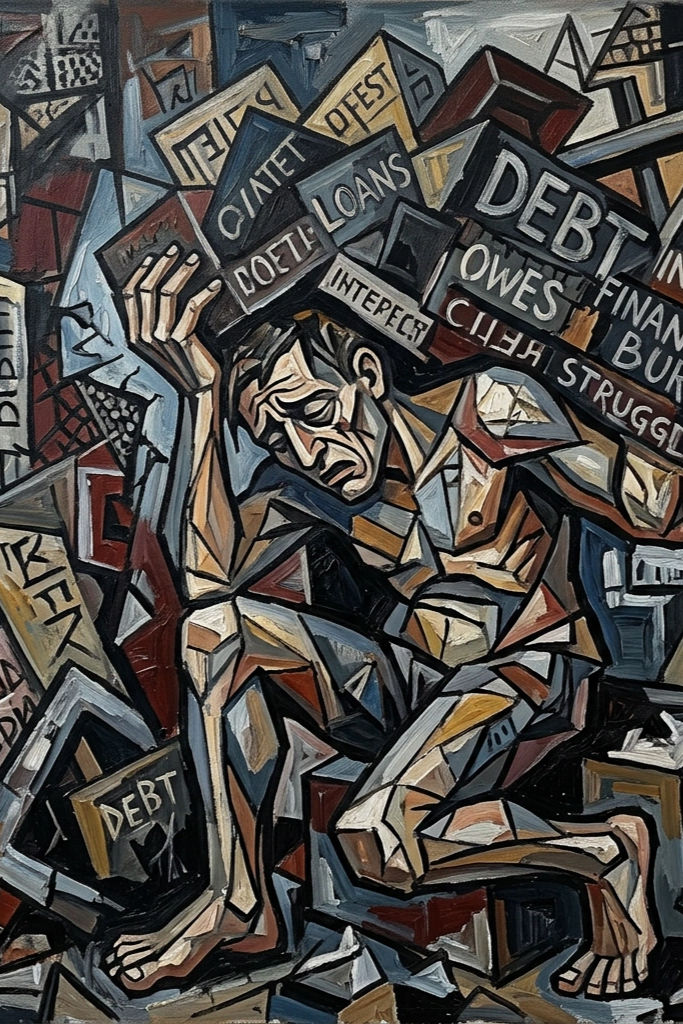
An opinion change 50 years in the making. Colleges have been on the forefront of the mission to demoralize the youth since the hippies roamed the plains of Woodstock. Well, the thing about youth is, they grow up and must face the cruel reality of economically worthless degrees for which their Social Security will be garnished to repay the loan.