


Georgetown costs $100K a year -- and most students pay the 'sticker price'


Sixteen colleges, including Duke, Georgetown, New York University and University of Chicago, have posted a sticker price of more than $100,000, including tuition, room and board, reports CNBC. Ten others charge more than $95,000.
“We just keep going up and it just never stops,” said Jeff Selingo, the author of Dream School.
It's not true that nobody pays the sticker price, writes Preston Cooper on the AEI site. Most students get some financial aid, but not everyone. At Georgetown -- $100,864 a year -- "only 36 percent of students . . . receive any financial aid, from the school or the government, per federal data."
He charts the sticker price at private non-profit colleges and the percentage of students who pay it. "Some of the cheapest private schools, notably Western Governors University and Southern New Hampshire University, see half or more of their students pay the published price." It's so low they can afford it.
"As prices rise, some schools defray them by offering more financial aid," Cooper writes. For example, only 8 percent of students pay the full price of $40,000 at Savannah College of Art and Design.
At the most expensive, most prestigious schools, such as Tufts, NYU and University of Chicago, the majority of students receive no financial aid.
Furthermore, students rarely know how much they'll have to pay when they apply. The system leaves 18-year-olds and their parents trying to negotiate better financial aid, if they have multiple offers of admission.

As Joshua opined, "Strange game. The only winning move is not to play."
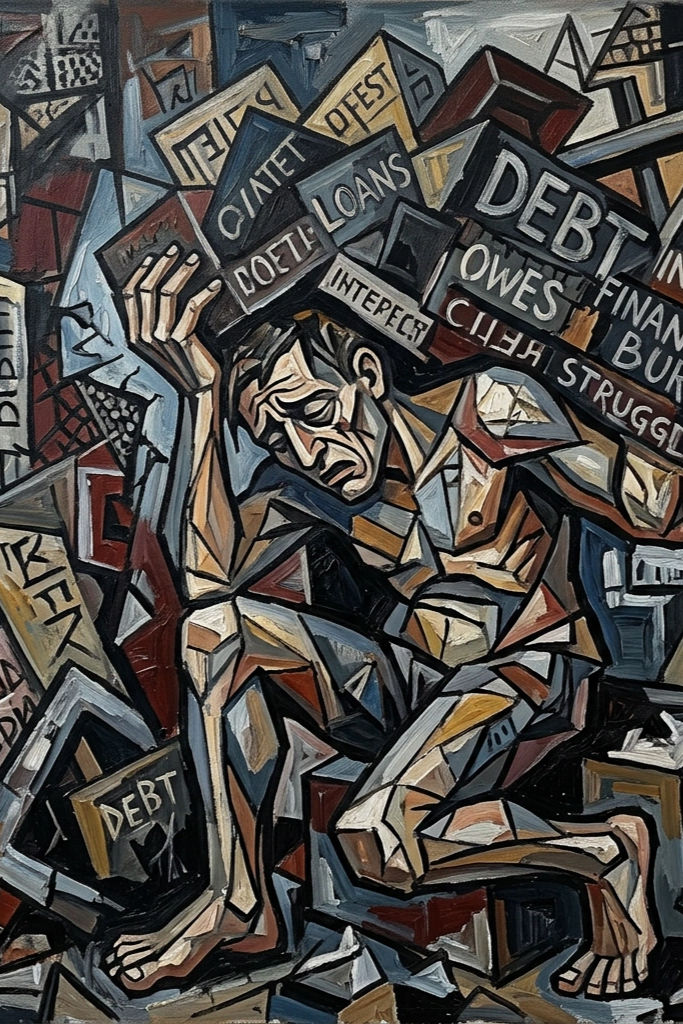
Thankfully, many young men, especially young white men, are avoiding the lifelong debt slavery caused by going to college. It just makes sense, as 94% of new jobs filled went to women, largely driven by the newly created jobs being in women dominated industries. If there is no job, the value of college degrees, discounted or full price, plummets.
When an university has a 13% acceptance rate, the students accepted and admitted are price takers. There is no reason to give discounts when there are students on the wait list whose families are willing to pay full retail.
Before the Trump Administration, highly selective universities probably had more foreign students who paid full retail tuition and fees along with surcharges for international students.