


Great Books are hard, and that's good

Great Books programs are hard, writes Oliver Traldi, a philosopher at the University of Toledo's Institute of American Constitutional Thought and Leadership. In a time of declining standards, when teachers say students can't read more than a paragraph or write without the help of a bot, studying the Great Books means reading "long, difficult, foreign texts." It requires thinking. It builds stamina.

Students need challenges that go beyond “viewpoint diversity” or "encountering perspectives that might offend one’s sensibilities," he argues. They need to do "very hard work" to develop their abilities.
A liberal education does not provide "final answers to big questions," Traldi writes. But when students "see that so many Greats disagree so radically with one another, even when sharing a cultural, political, or religious context, students begin to understand that they will have to make their own assessments and decisions."
"True liberal education . . . trains us to be free because it demands that we do our own thinking and builds up our abilities to do so through challenge and difficulty and through models of others who have," he writes.
Life is hard, he concludes. A "liberal education gives us the tools to face it head-on, equipped with the strongest possible form of our native reason and maintaining our integrity, our dignity, and our self-respect."

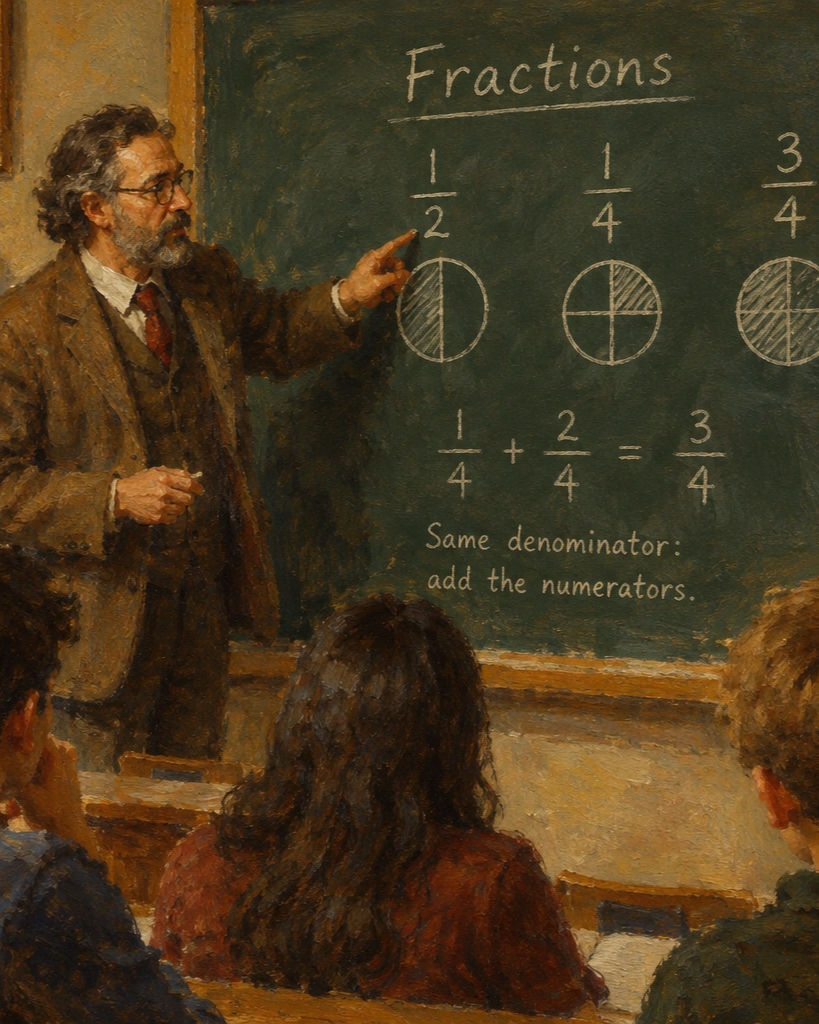
The best thing is when the teacher is personally passionate about the works under study. There's a chance that that passion will come across to the students, if the teacher is allowed to teach (i.e., lead the discussion, deliver background information, etc.) as in 'the old days'.
The same can be said for great film as well. My students watched Rashomon, loved it, and had great insights on its meaning as well as the filmmaking techniques used. Like so much subject matter, it's often not the material, but the teacher who's teaching it.