


Streamlined degrees -- 3 years, no electives -- save time, money

Three-year bachelor's degrees are catching on across the country, reports Susan Svrluga in the Washington Post. Texas is working on its version of the quickie degree, which typically requires only 90 credits rather than the standard 120.

For students who go to college to qualify for a career -- not to explore the meaning of life -- it makes sense to spend less time on electives and a lot less money. That's especially true for older students with clear goals.
I think it makes sense for people who know they want to go to medical, law or business school, but it's not yet clear whether graduate schools will accept reduced-credit bachelor's degrees, reports Rand. Licensure rules may need to be changed too. But there will be pressure to do that. (My solution: Rely on test scores, not credits.)
Public and private colleges are experimenting with reduced-credit degrees to compete for students, many of whom worry about high college costs and uncertain outcomes.
Critics say the reduced-credit degree will narrow what students learn and devalue the bachelor's degree, writes AP's Heather Hollingsworth. "This is not innovation. This is just cutting corners," said Todd Wolfson, president of the American Association of University Professors.
"Three-year bachelor's degrees are common in other countries including the United Kingdom, India, France and Italy," Hollingsworth writes. Students typically declare their major immediately. They don't spend two years trying to figure out what they want to study. And, I believe, students are less likely to need to learn reading, writing and math skills normally taught in middle or high school.
Jill Cohen, 42, says she doesn't need "underwater basket weaving" to be an English teacher. She's already teaching middle school in her rural Colorado county, while completing a streamlined teaching degree from Indiana Wesleyan.
These days, many college students take five or six years to complete a four-year degree. Skipping the electives might help them finish faster -- but it's probably the required courses that they're having trouble passing.
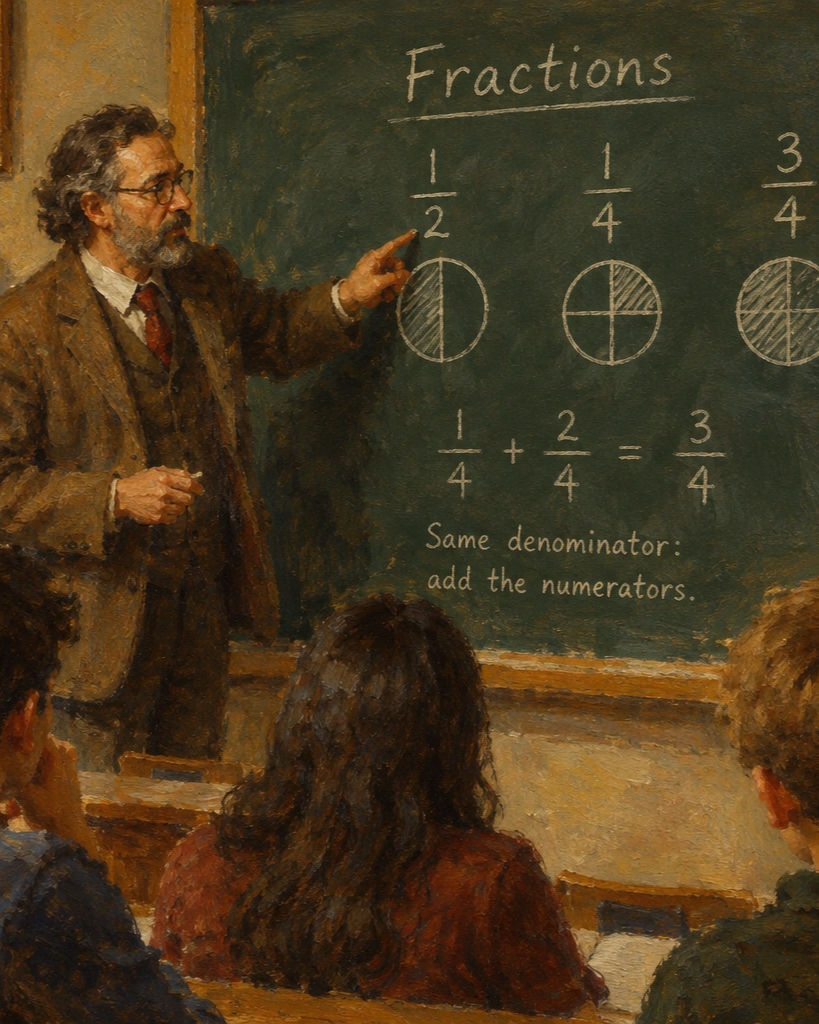

And there's also 'cutting to the chase' and going to a trade school and learning the basis for a lucrative career.
Don't forget that our current crop of students leaving high school are, for the most part, woefully underprepared for college, even compared to as recently as 20 or 30 years ago.
Three years has been the European standard for almost 30 years now, but the one-third or so of Europeans who enter university each year qualify through a national examination of general education far more rigourous than what most Americans are used to, unless they've completed the IB Diploma Programme: external exams equivalent to APs in 6-7 subjects, all of which must be passed, in mathematics (through calculus), a natural science, the literature of their best language, a second language, a social subject, and a second science (which may include computer), third language, or second social subject (from among history, economics, or geography), which is exactly the programme One World Education Centre has been promoting for more than a decade now.
There's nothing magical about 3 or 4 years or 90 vs. 120 credits. The problem is that for a large percentage of today's US college students, 20-60 hours are effectively remediation to try to get them to a legitimate college freshman level.
A university education should be more than just workforce preparation. It should represent a broad, dare I say "liberal arts", education. I say that as someone with a BS in math and who took several engineering courses--as well as philosophy, psychology, political science, history, and national security courses.