


Is 'disparate impact' dead?


Degree inflation -- requiring college degrees for more and more jobs -- "closes off job opportunities for workers without degrees, worsens labor shortages in skilled occupations, and fuels a credentialing treadmill that forces students to spend more time and money to qualify for the same jobs," writes AEI's Preston Cooper.
Employers often require degrees, because they fear that hiring tests or English proficiency tests will produce a disparate impact on minority applicants, leading to civil rights lawsuits, he writes. Federal regulators have decided that requiring a college degree is not legally suspect, even though white adults are significantly more likely than blacks or Hispanics to be college graduates.
However, the Justice Department recently issued an opinion that could deflate degree requirements, Cooper writes. The new guidance to the Equal Employment Opportunity Commission tells regulators and courts to presume that “background checks, aptitude tests, knowledge-based tests, SAT scores, high-school graduation requirements, or blind auditions” are related to the job and hence legitimate (unless they are truly arbitrary).
Furthermore, those challenging a hiring practice must show it "causes the unequal outcomes in question, not simply that unequal outcomes exist," he writes. Challengers must also offer the employer a “viable alternative” that accomplishes the same hiring goals with a lesser disparate impact.
More than 40 percent of job postings require a bachelor's degree, even when "a degree is clearly not necessary for the position," he writes. In 1990, 9 percent of secretaries had a four-year degree. That's risen to 35 percent.
Employers are accustomed to using degrees as a screener, he writes, so it will take time to develop other measures of job readiness. But, eventually, the ruling will "create more opportunities for workers of all educational backgrounds."
As college instructors lower expectations and students rely more heavily on AI to do the thinking, the credibility of a degree is shakier than ever. I think we're going to see a boom in testing to enable people to prove their competence.

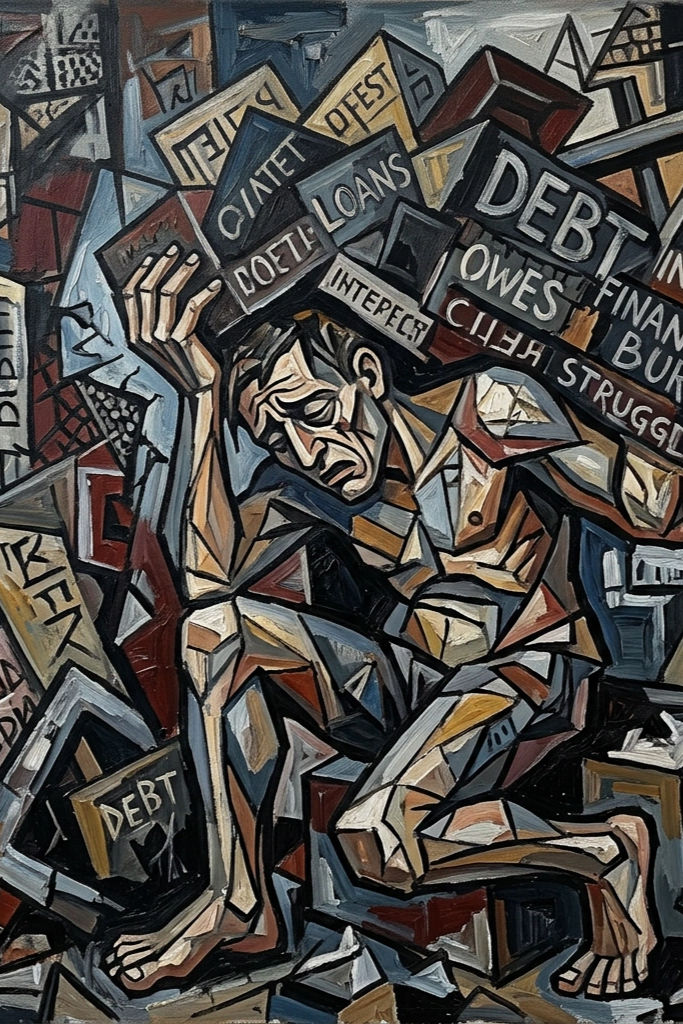

Restore freedom of association and freedom of contract. Griggs v. Duke Power impelled private sector employers to farm the discrimination funcrion out to colleges.
Governments should not discriminate on the basis of race, sex, sexual orientation, or religion (unless necessary). Non-State actors should be free to discriminate on rge basis of any silly reason whatsoever.
Only until the next Democrat president’s DOJ resurrects it.