


Black, Hispanic students shift from elite colleges to state flagships

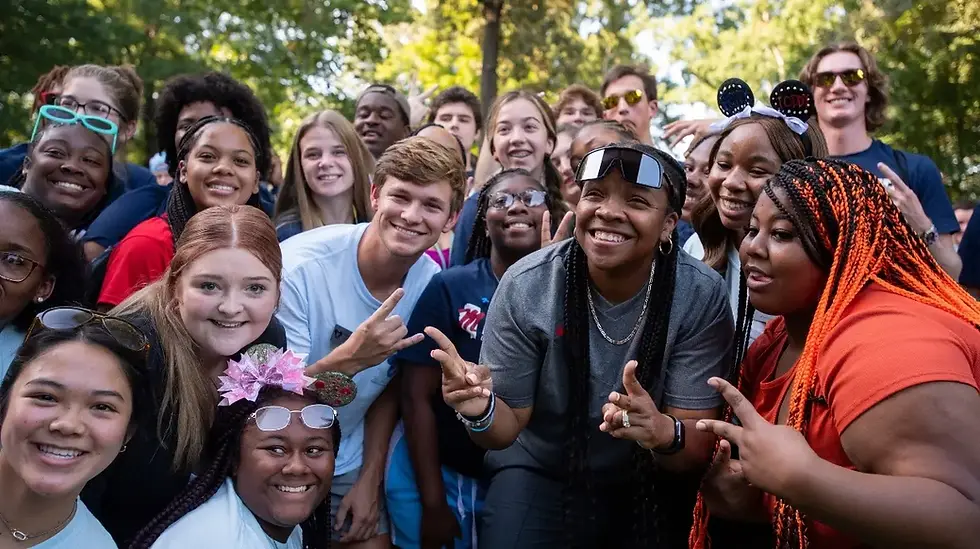
A year after the Supreme Court ban on racial preferences in college admissions, black and Hispanic enrollment declined at highly selective colleges and rose at state flagship universities, reports Stephanie Saul in the New York Times.
According to a Class Action analysis, the number of black freshman was down by 27 percent and Hispanics by 10 percent at the nation's 50 most selective colleges and universities. Black and Hispanic enrollment rose by 8 percent at flagship universities, with even larger increases in the South. Black freshman enrollment increased by 50 percent at the University of Mississippi and 30 percent at LSU; Hispanic enrollment increased by more than a third at the University of Tennessee and the University of South Carolina.
Other public universities and non-elite private universities. also enrolled more black and Hispanic freshmen. Black enrollment grew by 17 percent at Syracuse University, for example, while Hispanic enrollment was up by 45 percent at University of Miami.
Overall, white and Asian-American first-year enrollment was "relatively flat," the report found. However, "there was a slight uptick in the number and share of Asian American freshmen" at highly selective "Ivy Plus" schools.
Attending less-selective institutions could lower future earnings, Saul's story suggests. Elite schools provide valuable networks for graduates from disadvantaged families.
However, "mismatch" theorists argue that students admitted with significantly weaker academic qualifications than their classmates may earn lower grades, switch to easier majors or quit without earning a degree. They might have done well at a school that was a better "fit."
Asian enrollment rose to 41 percent in Harvard's Class of 2029, up from 37 percent last year and 30 percent the year before, before the ban on affirmative action, reports Harvard Magazine. Of students who identified themselves by race or ethnicity, 11.5 percent were black, down from 14 percent the previous year, and 11 percent as Hispanic, down from 16 percent.
Only 5 percent of Princeton students in the Class of '29 are black, 9 percent are Hispanic and 27 percent are Asian American.

In California the "didn't complete a degree in four years" and the "dropped out before completing a degree program" numbers both skyrocketed when they opened up their schools to all applicants. I believe this was in the 90s while I was still in the Navy down there.